transformative power of english literature in shaping minds
In the fast-paced world of 2026, the role of English literature remains profoundly significant, serving as a bridge between cultures, ideas, and emotions. Its transformative power is evident in how it shapes the minds of individuals, encouraging them to think critically, develop empathy, and understand diverse perspectives. Through the ages, literature has not only reflected society but has also challenged norms and inspired change.
Enhancing Empathy and Understanding
One of the most crucial benefits of engaging with English literature is its ability to enhance empathy. Reading novels, poetry, and plays allows readers to step into the shoes of characters from various backgrounds and experiences. For example, classics like Pride and Prejudice by Jane Austen and Great Expectations by Charles Dickens provide insights into social class and human relationships. In contemporary works, authors such as Chimamanda Ngozi Adichie and Zadie Smith continue this tradition, exploring themes of identity and migration that resonate with today's global issues. To cultivate empathy through literature, readers can participate in book clubs or discussion groups that focus on diverse authors and narratives.
People Also Look For:
- Emily Brontë: Wuthering Heights (Easy Classics) - English Classic Literature Abridged for Ages 7-11: 2 (The Complete Bronte Sis...
- The Short Stories Of Thomas Hardy
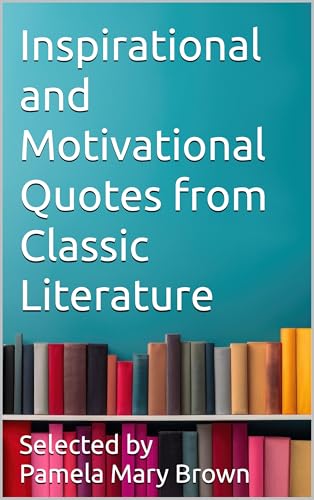
- Inspirational and Motivational Quotes from Classic Literature
- Pride & Prejudice by Jane Austen Cranford Collection Decorative Classic Literature Novel
Fostering Critical Thinking
English literature also plays a pivotal role in developing critical thinking skills. When readers engage with complex texts, they are encouraged to analyse characters' motivations, plot developments, and underlying themes. This analytical process nurtures the ability to question assumptions and evaluate evidence. For instance, works like George Orwell's 1984 prompt discussions about totalitarianism, surveillance, and freedom, which remain relevant in our digital age. Aspiring thinkers can enhance their critical analysis by writing essays or engaging in debates about the texts they read, focusing on different interpretations and perspectives.
Encouraging Creativity and Imagination
Literature is a powerful tool for fostering creativity. The rich imagery and innovative language found in poetry and prose can inspire readers to explore their own creative expressions. Writers such as Virginia Woolf and T.S. Eliot have challenged conventional narrative structures, encouraging readers to think outside the box. To harness this creativity, individuals can keep journals, write poetry, or experiment with storytelling, drawing inspiration from the literary works they admire. Creative writing workshops, often available in schools and community centres, can provide a constructive environment to develop these skills.
Promoting Cultural Awareness
In an increasingly interconnected world, understanding cultural differences is imperative. English literature serves as a window into various cultures, traditions, and historical contexts. Reading works by authors from different cultural backgrounds, such as Salman Rushdie or Arundhati Roy, opens up discussions about post-colonialism and identity. Schools and libraries can promote cultural awareness by curating reading lists that highlight international literature and hosting events that celebrate cultural diversity through literature. Engaging with literature from around the globe fosters a more inclusive mindset among readers.
Building Communication Skills
Finally, the study of English literature significantly enhances communication skills. Exposure to diverse writing styles and vocabularies equips readers with the ability to articulate their thoughts more effectively. Through discussions, presentations, and written assignments, individuals learn to express their ideas clearly and persuasively. Participating in public speaking clubs or attending literary festivals can further develop these skills, allowing enthusiasts to share their insights and engage with others in meaningful conversations.